
12 Days Uganda Birding & Primates Safari
This 12-day Uganda journey follows a practical route built around shoebill search in mabamba, kibale and bigodi birding, chimpanzee tracking. It suits birders, photographers and primate travellers who prefer a slower wildlife pace and…
A flexible route you can make your own.
A bird-rich Uganda route linking Mabamba shoebill searching, Kibale and Bigodi, Queen Elizabeth, Bwindi Albertine Rift birding, gorilla trekking and Lake Mburo.
What makes this route worth considering.
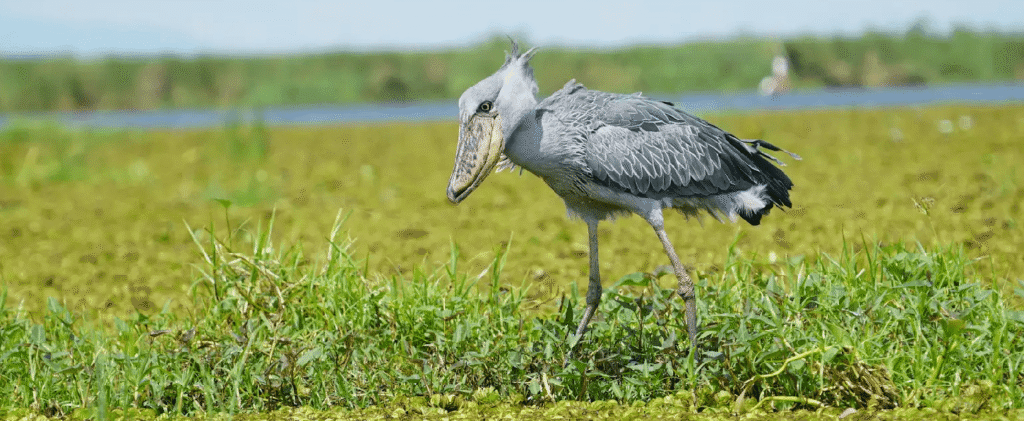
Shoebill search in Mabamba
Kibale and Bigodi birding
Chimpanzee tracking
Kazinga Channel birding
Bwindi gorilla trekking
Albertine Rift endemic birding
Lake Mburo birding and night drive
Uganda Birding Primates Safari is designed for travellers who want a bird-rich Uganda route linking Mabamba shoebill searching, Kibale and Bigodi, Queen Elizabeth, Bwindi Albertine Rift birding, gorilla trekking and Lake Mburo. The route uses Mabamba Swamp and Bwindi Impenetrable National Park as two of its main planning anchors. Rather than rushing through a checklist, the itinerary leaves room for realistic transfers, early starts and changes caused by weather, road conditions or wildlife movement.
The practical route centres on Mabamba Swamp, Kibale National Park, Queen Elizabeth National Park, Bwindi Impenetrable National Park. The route is designed around realistic travel time rather than fitting every possible stop into each day. Your guide can adjust departure times when road, weather or wildlife conditions change, while the confirmed permits and booked activities remain the anchors of the programme.
This is especially important because the journey has 12 days, so travel time has to support the main experiences instead of competing with them.
Uganda Birding Primates Safari: tour overview
A bird-rich Uganda route linking Mabamba shoebill searching, Kibale and Bigodi, Queen Elizabeth, Bwindi Albertine Rift birding, gorilla trekking and Lake Mburo. The emphasis is on private, customised travel with a guide who can explain landscapes, wildlife and local context as the journey unfolds. Because permits, park rules and transport schedules can change, the final version is reconfirmed before travel rather than treated as permanently fixed.

Tour highlights
- Shoebill search in Mabamba
- Kibale and Bigodi birding
- Chimpanzee tracking
- Kazinga Channel birding
- Bwindi gorilla trekking
- Albertine Rift endemic birding
- Lake Mburo birding and night drive
Day-by-day itinerary
Day 1: Entebbe and Mabamba Swamp
Begin with a guided canoe excursion in Mabamba Swamp, one of Uganda’s best-known places to search for shoebill. Return to Entebbe or continue towards the next overnight stop according to arrival time. This transition day is deliberately kept practical so the longer journey starts or finishes without unnecessary pressure.
Day 2: Travel to Kibale with birding stops
Drive towards Kibale with planned roadside and wetland birding where safe and productive. Arrive in the forest region before dark.
Day 3: Chimpanzees and Bigodi birding
Track chimpanzees in Kibale, then spend the afternoon in Bigodi where forest-edge species, wetland birds and monkeys can be observed on foot.
Day 4: Kibale forest birding
Use the morning for focused birding in and around the Kibale region before continuing towards Queen Elizabeth National Park.
Day 5: Queen Elizabeth game drive and birding
Explore open savannah, crater areas and wetlands for raptors, grassland species and large mammals. Your guide balances birding stops with broader wildlife viewing.
Day 6: Kazinga Channel birding
Take the Kazinga Channel boat safari, which is particularly useful for waterside species and close wildlife photography, then continue with an afternoon drive.
Day 7: Queen Elizabeth to Bwindi
Travel through the southern sector towards Bwindi, birding en route where time permits. The habitat transition becomes increasingly forested as you approach the highlands.
Day 8: Gorilla trekking day
Trek mountain gorillas in Bwindi. Birding remains secondary on this day so you can focus on the main forest experience and recover afterwards.
Day 9: Bwindi Albertine Rift birding
Spend a dedicated day with a specialist local bird guide searching for Albertine Rift species, including difficult forest birds such as Grauer’s Broadbill where the chosen trail and conditions are suitable.
Day 10: Bwindi to Lake Mburo
Drive to Lake Mburo with selected birding stops, then take an evening wildlife drive if arrival time permits.
Day 11: Lake Mburo birding and night drive
Explore woodland, acacia country and wetland edges for a different bird community, with an evening or night drive adding nocturnal wildlife possibilities.
Day 12: Walking safari and return to Entebbe
Take a guided walking safari before driving back to Entebbe, using any spare time for final birding around suitable roadside or lakeshore habitats. This transition day is deliberately kept practical so the longer journey starts or finishes without unnecessary pressure.
Who this safari suits
The Uganda Birding Primates Safari works particularly well for birders, photographers and primate travellers who prefer a slower wildlife pace. It is a private journey, so departure times and smaller stops can be adjusted within the limits of park bookings, permits and transport schedules. Travellers who prefer a slower pace can add nights, while those with tighter flight schedules should avoid removing recovery time around the most demanding activities.
Best time to travel and weather
Year-round; June to September and December to February are usually drier for trekking and road travel. The best travel month depends on what you value most: drier tracks, greener scenery, birding, migration movement, lodge availability or quieter parks. Weather should guide the plan, not dominate it, because many of the listed experiences operate throughout the year. For migration-focused travel, herd locations vary by rainfall and grazing, so no itinerary should promise a specific river crossing on a particular day.
Transport and road time
Private 4×4 safari vehicle with an English-speaking driver-guide; domestic flights are used where stated in the itinerary. Vehicle days can feel longer than the map suggests because park roads, border procedures, wildlife stops and rural traffic affect timing. Your driver-guide plans fuel, comfort breaks and meal stops so the journey remains practical rather than racing between destinations.
Accommodation approach
Where you sleep affects the pace of the safari. A well-placed lodge can save an early start or a long detour, particularly around national parks and trekking sectors. The final accommodation list is therefore confirmed together with permits, transport and the day-by-day route. The quoted category should be agreed before confirmation, especially if you have preferences about room style, views, swimming pools, family rooms or very small properties.
Meals and drinking water
Breakfast is normally included daily, with selected lunches and dinners according to the confirmed lodge plan and travel schedule. Early trekking or game-drive mornings may use packed breakfasts or lunches. Tell the team about allergies, vegetarian or vegan preferences, religious dietary needs and serious intolerances before the final lodge bookings are made.
Fitness and accessibility
General game drives and boat activities involve limited physical effort, but walking and forest sections can be more demanding. Regular walking before travel, comfortable footwear and honest discussion of fitness help the guide plan a safer and more enjoyable pace. The stated overall difficulty for this trip is moderate, but the actual effort can vary by weather, trail condition and individual mobility.
What to pack
Avoid overpacking. Soft-sided luggage is easier to handle in safari vehicles and on small aircraft where baggage limits can apply. Bring comfortable day clothes, one warmer layer for early starts, rain protection, personal medication and a compact camera or binocular setup that you can carry without assistance. If domestic or cross-border flights are used, check current baggage limits before departure because small aircraft may have stricter weight and bag-shape requirements than international airlines.
What is normally included
- Private safari transport and the services of a professional English-speaking driver-guide
- Park entry fees and scheduled activities specifically listed in the confirmed itinerary
- Accommodation in the agreed category for the number of nights shown
- Meals according to the final lodge and day-by-day programme
- Bottled or safe drinking water in the safari vehicle where supplied
- Pre-trip planning and local operational support during the journey
What is normally excluded
- International flights unless specifically added to the quotation
- Visa, passport, vaccination and travel insurance costs
- Optional activities not written into the confirmed programme
- Tips, gratuities, premium drinks, laundry and personal purchases
- Changes requested during travel that create new transport, permit or accommodation costs
Photography and responsible travel
Wildlife encounters work best when visitors allow animals to behave naturally. Do not ask a guide to move too close or block another vehicle simply for a photograph. On cultural visits, listen first, ask questions respectfully and follow the local host’s guidance about photography and participation. Carry spare batteries and enough memory because charging opportunities can be limited during long days, but avoid letting photography distract from ranger instructions or the experience itself.
Practical booking advice
Book the Uganda Birding Primates Safari with enough lead time for any permits, specialist activities and well-located accommodation. Passport names should match booking records, and cross-border travellers should check current entry requirements for every country on the route. Prices are not shown here because lodge category, season, group size, transport choices and permit costs can change the final quotation.
Before confirming the itinerary, review the final day-by-day document carefully. Check the number of nights, activity permits, meal plan, transfer method and departure airport. The best version of the Uganda Birding Primates Safari is the one that fits your travel dates, interests and energy level rather than forcing you into a fixed template.
What is included and what to plan for.
Included
✓Private safari transport and professional driver-guide
✓Park entry fees and scheduled activities listed in the final itinerary
✓Accommodation as confirmed
✓Meals according to the final programme
✓Drinking water in the safari vehicle where supplied
✓Local operational support
Not included
×International flights unless specifically included
×Visa and entry costs
×Travel insurance
×Optional activities not listed in the confirmed itinerary
×Tips and gratuities
×Personal drinks, laundry and purchases
Journey notes
•Breakfast is normally included daily, with selected lunches and dinners according to the confirmed lodge plan and travel schedule.
•Private 4x4 safari vehicle with an English-speaking driver-guide; domestic flights are used where stated in the itinerary.
•Minimum age: 15
•Maximum group: 6
Want this route with different dates, lodges or activities?
Open the full planner with this safari already selected.
Other routes you may like.
 12 Days / 11 Nights
Gorilla Safaris
12 Days / 11 Nights
Gorilla Safaris
12 Days Uganda to Rwanda Safari
This 12-day Uganda & Rwanda journey follows a practical route built around ziwa rhinos, murchison falls wildlife and…
 10 Days / 9 Nights
Gorilla Safaris
10 Days / 9 Nights
Gorilla Safaris
10 Days Rwanda Big Five, Chimps & Gorilla Safari
This 10-day Rwanda journey follows a practical route built around kigali city, akagera big five wildlife, lake ihema…
 10 Days / 9 Nights
Beach Safaris
10 Days / 9 Nights
Beach Safaris
10 Days Kenya Safari & Diani Beach Holiday
This 10-day Kenya journey follows a practical route built around amboseli elephants, lake naivasha boat trip, masai mara…