
Mto wa Mbu Cultural Tour
Use this guide to plan a cultural visit in Mto wa Mbu, including markets, farming, local food, craft, photography etiquette and how the town fits a northern Tanzania safari. It also explains who the…
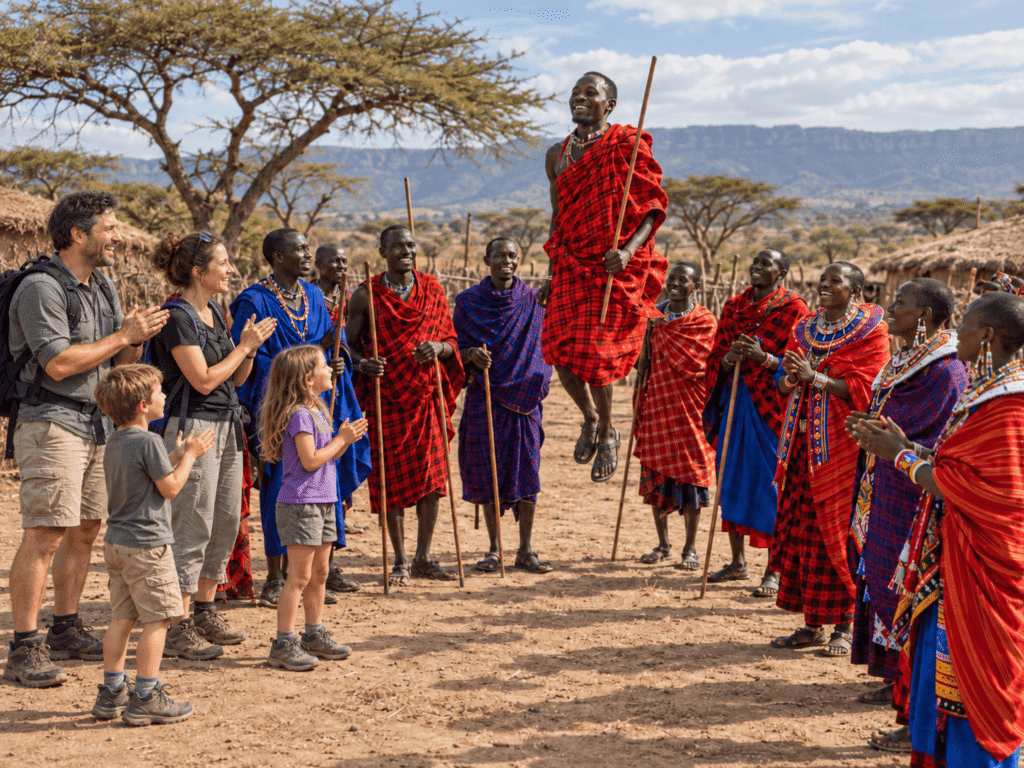
Mto wa Mbu culture is worth planning carefully because the quality of the day depends on real conditions rather than a fixed script. It takes place around Mto wa Mbu in Tanzania, within a busy northern Tanzania town near Lake Manyara and the road towards Ngorongoro, known for mixed communities, farms, markets, workshops and everyday street life. A locally guided town and community experience that can include markets, banana-growing areas, workshops, food, art and conversations about daily life.
This guide explains how the activity works, the level of effort involved, useful clothing, photography, safety, responsible travel and the most sensible ways to combine it with a wider safari.
Where you will be travelling
The best way to approach this experience is to understand its pace, physical demands and natural limits before deciding where it belongs in your route. Here, the setting is a busy northern Tanzania town near Lake Manyara and the road towards Ngorongoro, known for mixed communities, farms, markets, workshops and everyday street life. That landscape affects temperature, footing, wildlife movement, travel time and the sort of equipment that feels useful. Before booking, read more about Ngorongoro Crater so you understand the wider destination rather than treating the activity as an isolated appointment. Location matters because the same activity can feel very different depending on altitude, habitat, season and the time needed to reach the starting point. A good plan therefore looks at the whole day, including the drive from your accommodation and the recovery time afterwards.
What actually happens
At its centre, the activity involves a locally guided town and community experience that can include markets, banana-growing areas, workshops, food, art and conversations about daily life. Tours are usually done on foot or with short local transfers. A guide links several small stops rather than presenting one formal attraction. The pace is flexible, allowing time to speak with growers, artisans or vendors where appropriate. Guides are there for more than navigation.
They interpret behaviour, explain the landscape and make decisions about safe distances, timing and group movement. Travellers get more from the experience when they listen to that interpretation instead of focusing only on a photograph or checklist sighting. This is one reason the Mto wa Mbu culture works best when you allow enough time for the guide to set the pace rather than trying to fit it between two long transfers.
From briefing to finish
Tours are usually done on foot or with short local transfers. A guide links several small stops rather than presenting one formal attraction. The pace is flexible, allowing time to speak with growers, artisans or vendors where appropriate. No two departures are identical, even when they use the same starting point. Weather, wildlife, group pace, water conditions, traffic or local operations can change the sequence. Travellers should also think about what comes immediately before and after the activity.
A quiet evening, a shorter transfer or an extra night in the same area can protect the quality of the experience, particularly when weather or fatigue is a factor.
Physical effort and comfort
The physical level is best described as Easy to moderate depending on heat and walking distance. Most routes can be adjusted for travellers who prefer a shorter programme. Fitness is only one part of comfort; heat, altitude, humidity, long sitting periods or slippery surfaces can matter just as much. If you have knee, back, balance or breathing concerns, mention them before travel.
Operators can often choose a better pace, arrange porter support where available or advise whether a different version of the activity would be more sensible. Do not judge difficulty only by distance. A short forest walk on steep wet ground can feel harder than several kilometres on a dry road, while a long game drive can be tiring even though it involves little walking.
Weather and timing
The town can be visited year-round. Morning or later afternoon can be more comfortable for walking, while market activity varies by day and local schedule. Seasonal guidance should help you choose between trade-offs rather than promise perfect conditions. Drier weather may make walking or driving easier, while greener periods can bring richer vegetation, stronger bird activity and fewer dusty roads. Wind, cloud, rainfall and wildlife movement still vary from one day to the next.
When planning a Mto wa Mbu culture, keep some flexibility in the surrounding itinerary. A good operator should be able to explain current patterns close to travel rather than relying only on a general month-by-month chart.
Useful clothing and equipment
Useful items normally include comfortable shoes, sun protection, water, modest clothing and a small bag for any crafts or food products you decide to purchase. Pack for the conditions you are likely to meet, not for appearance in photographs. Neutral, comfortable clothing works for most safari activities and layers are useful when mornings are cool but midday becomes warm. Keep medication and any essential documents in a bag you control directly.
For wet or dusty environments, a simple waterproof pouch or dry bag can protect a phone, batteries and travel documents. If the activity involves water, hiking or forest walking, footwear should be chosen for grip and stability rather than style.
Getting better photographs responsibly
Ask people before photographing them at close range. Street scenes can be photographed more respectfully when the guide has explained local expectations first. Keep equipment manageable enough that you can move safely and pay attention to instructions. Spare batteries and simple rain or dust protection are often more valuable than carrying every lens you own. Think about the story of the activity as well as the headline subject.
Landscapes, hands, tracks, boats, trail details and wider environmental frames can produce a more complete record of the day. When people are part of the experience, permission matters. A guide can help you understand when photography is welcome and when the better choice is to keep the camera down.
Rules, safety and respectful behaviour
Stay with your guide in busy market areas, keep valuables secure and use normal travel awareness rather than carrying unnecessary equipment openly. Buy directly from local producers when possible, avoid aggressive bargaining over small amounts and choose tours that explain where fees go. A respectful visit does not need complicated gestures. Give wildlife space, let guides make safety decisions and treat people as hosts and professionals rather than as part of the scenery.
Rules around wildlife, protected areas, boats, hiking routes or cultural sites can be updated, so current instructions from rangers and guides should always override older online advice. Travel insurance should suit the activities you plan to do, particularly when trekking, hiking or remote travel is involved. If an activity can be cancelled by weather or safety concerns, build the itinerary so one change does not ruin the whole journey.
Good safari combinations
Tarangire, Ngorongoro and Serengeti all sit naturally on routes that can include Mto wa Mbu without large detours. A useful example is the 10 Days Kenya and Tanzania Safari Holiday, which shows one way to connect the activity with other safari experiences. Use any sample tour as a starting point rather than a fixed formula. Your arrival airport, total number of days, accommodation preference and tolerance for long drives should influence the final sequence. A common planning mistake is adding another major activity immediately because it appears close on a map. In practice, road conditions, border procedures, park gates and early briefing times can make a slower route much more enjoyable.
Mto Wa Mbu Culture Planning Advice
A well-planned Mto wa Mbu culture should feel purposeful rather than rushed. Confirm start times, meeting points, age or health restrictions and any permit arrangements before final payment because operational details can change. If the experience is the main reason for your trip, give it priority in the itinerary instead of placing it after an exhausting transfer. Where possible, sleep close enough to the start point that you can arrive calm and on time.
Ask your safari planner what happens if weather or other conditions affect the day. Clear contingency planning is more useful than promises that every part of nature will behave exactly as expected.
Who tends to enjoy it most
This activity tends to suit families, food-focused travellers, photographers, culturally curious visitors and anyone wanting a break from consecutive wildlife drives. It may be less suitable for someone whose interests, mobility or comfort level are very different from the demands described above. Families should confirm current age rules for children, while travellers with limited mobility should ask for a realistic description of boarding, walking, trail or vehicle access before booking.
The strongest reason to include the Mto wa Mbu culture is that it adds a distinct experience to your safari rather than simply filling a spare day. With realistic expectations, the right guide and enough time around it, the activity can fit naturally into a thoughtful East African journey.