
Wildebeest Migration Safari in Masai Mara
Plan migration viewing in the Masai Mara with realistic advice on seasonal herd movement, game-drive timing, river areas, photography, crowd management and the value of allowing several safari days. It also explains who the…
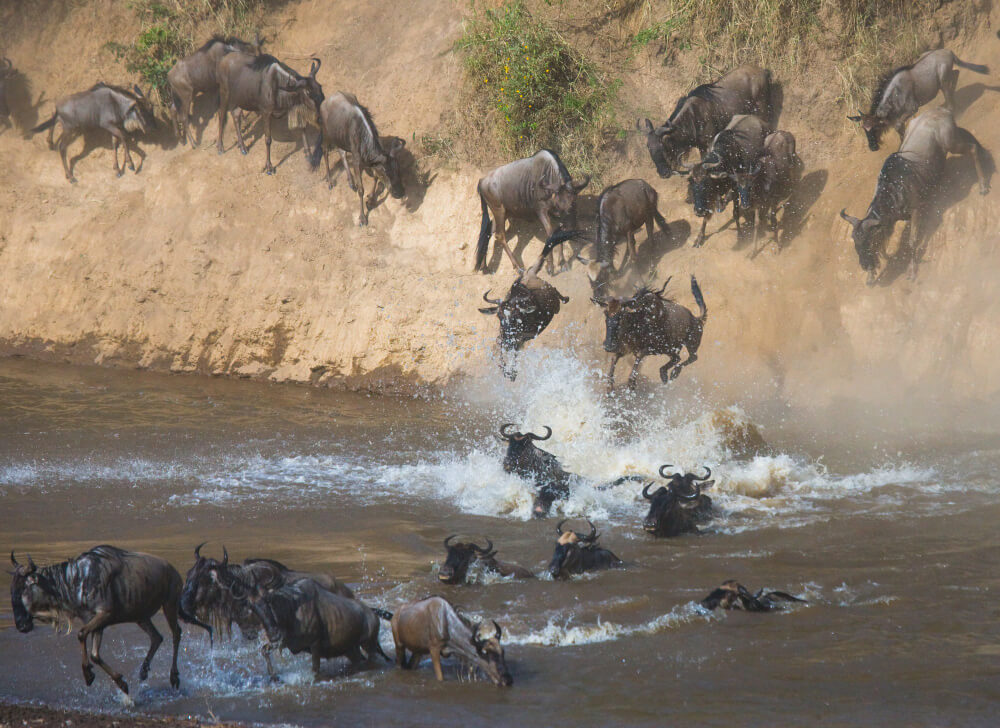
Masai Mara migration safari is worth planning carefully because the quality of the day depends on real conditions rather than a fixed script. It takes place around Masai Mara National Reserve in Kenya, within open grasslands, river corridors and rolling plains in south-western Kenya, connected ecologically to Tanzania’s Serengeti. Game drives designed around the seasonal movement of wildebeest and zebra while still treating the mara’s resident predators and other wildlife as important parts of the safari.
This guide explains how the activity works, the level of effort involved, useful clothing, photography, safety, responsible travel and the most sensible ways to combine it with a wider safari.
The setting and why it matters
This is an activity where a little preparation changes the quality of the day more than adding extra stops to the itinerary. Here, the setting is open grasslands, river corridors and rolling plains in south-western Kenya, connected ecologically to Tanzania’s Serengeti. That landscape affects temperature, footing, wildlife movement, travel time and the sort of equipment that feels useful. Before booking, read more about Masai Mara National Reserve so you understand the wider destination rather than treating the activity as an isolated appointment. Location matters because the same activity can feel very different depending on altitude, habitat, season and the time needed to reach the starting point. A good plan therefore looks at the whole day, including the drive from your accommodation and the recovery time afterwards.
Understanding the experience
At its centre, the activity involves game drives designed around the seasonal movement of wildebeest and zebra while still treating the Mara’s resident predators and other wildlife as important parts of the safari. Guides use recent herd movement, weather, road conditions and local information to decide each day’s route. A river crossing cannot be scheduled like an appointment: animals may wait for hours or change direction entirely, so patient game viewing is essential.
Guides are there for more than navigation. They interpret behaviour, explain the landscape and make decisions about safe distances, timing and group movement. Travellers get more from the experience when they listen to that interpretation instead of focusing only on a photograph or checklist sighting. This is one reason the Masai Mara migration safari works best when you allow enough time for the guide to set the pace rather than trying to fit it between two long transfers.
A realistic day on the ground
Guides use recent herd movement, weather, road conditions and local information to decide each day’s route. A river crossing cannot be scheduled like an appointment: animals may wait for hours or change direction entirely, so patient game viewing is essential. No two departures are identical, even when they use the same starting point. Weather, wildlife, group pace, water conditions, traffic or local operations can change the sequence. The practical rhythm matters.
Early starts are common on safari, and a demanding activity followed by a long transfer can be harder than it looks on paper. Building recovery time into the route usually produces a better experience than trying to maximise the number of stops.
How fit do you need to be?
The physical level is best described as Easy physically because most viewing is from a safari vehicle, though long hours sitting and early departures can be tiring over several days. Fitness is only one part of comfort; heat, altitude, humidity, long sitting periods or slippery surfaces can matter just as much. If you have knee, back, balance or breathing concerns, mention them before travel.
Operators can often choose a better pace, arrange porter support where available or advise whether a different version of the activity would be more sensible.
Choosing your travel dates
The Mara usually receives large migrant herds during the northern phase of the annual cycle, often between July and October, but exact timing changes with rain and grazing conditions and should never be guaranteed. Seasonal guidance should help you choose between trade-offs rather than promise perfect conditions. Drier weather may make walking or driving easier, while greener periods can bring richer vegetation, stronger bird activity and fewer dusty roads.
Wind, cloud, rainfall and wildlife movement still vary from one day to the next. When planning a Masai Mara migration safari, keep some flexibility in the surrounding itinerary. A good operator should be able to explain current patterns close to travel rather than relying only on a general month-by-month chart.
Packing for the activity
Useful items normally include neutral comfortable clothing, sun protection, binoculars, a warm layer for early mornings, a dust cover and sufficient memory cards or storage. Pack for the conditions you are likely to meet, not for appearance in photographs. Neutral, comfortable clothing works for most safari activities and layers are useful when mornings are cool but midday becomes warm. Keep medication and any essential documents in a bag you control directly.
For wet or dusty environments, a simple waterproof pouch or dry bag can protect a phone, batteries and travel documents. If the activity involves water, hiking or forest walking, footwear should be chosen for grip and stability rather than style.
Practical photography advice
Longer lenses help at river areas, while wider lenses capture herds and landscape. Avoid demanding that a guide block other vehicles or pressure animals for a dramatic angle. Photography should never dictate unsafe or intrusive behaviour. A wider frame can often tell more of the story than a tightly cropped portrait, especially when the landscape is central to the experience. Think about the story of the activity as well as the headline subject.
Landscapes, hands, tracks, boats, trail details and wider environmental frames can produce a more complete record of the day. When people are part of the experience, permission matters. A guide can help you understand when photography is welcome and when the better choice is to keep the camera down.
Safety, etiquette and local guidance
Remain inside the vehicle unless your guide confirms a designated safe area. Follow reserve rules and keep hands and equipment secure when vehicles reposition quickly. Choose patient guides who avoid crowding animals. River crossings are especially sensitive; a responsible driver will not chase herds or obstruct their route to satisfy a photograph. The quality of an experience also depends on how visitors behave.
Quiet observation, reasonable group sizes and respect for local rules protect wildlife, communities and future travellers at the same time. Rules around wildlife, protected areas, boats, hiking routes or cultural sites can be updated, so current instructions from rangers and guides should always override older online advice. Travel insurance should suit the activities you plan to do, particularly when trekking, hiking or remote travel is involved.
If an activity can be cancelled by weather or safety concerns, build the itinerary so one change does not ruin the whole journey.
Building it into your itinerary
Lake Naivasha, Lake Nakuru or a cross-border extension to Serengeti can create a broader migration and wildlife itinerary. A useful example is the 4 Days Masai Mara Wildebeest Migration Safari, which shows one way to connect the activity with other safari experiences. Use any sample tour as a starting point rather than a fixed formula. Your arrival airport, total number of days, accommodation preference and tolerance for long drives should influence the final sequence. A common planning mistake is adding another major activity immediately because it appears close on a map. In practice, road conditions, border procedures, park gates and early briefing times can make a slower route much more enjoyable.
Masai Mara Migration Safari Planning Advice
A well-planned Masai Mara migration safari should feel purposeful rather than rushed. Confirm start times, meeting points, age or health restrictions and any permit arrangements before final payment because operational details can change. If the experience is the main reason for your trip, give it priority in the itinerary instead of placing it after an exhausting transfer. Where possible, sleep close enough to the start point that you can arrive calm and on time.
Ask your safari planner what happens if weather or other conditions affect the day. Clear contingency planning is more useful than promises that every part of nature will behave exactly as expected.
Is this experience right for you?
This activity tends to suit wildlife enthusiasts, photographers, first-time safari travellers and repeat visitors willing to spend several days observing changing conditions rather than chasing one promised event. It may be less suitable for someone whose interests, mobility or comfort level are very different from the demands described above. Families should confirm current age rules for children, while travellers with limited mobility should ask for a realistic description of boarding, walking, trail or vehicle access before booking.
The strongest reason to include the Masai Mara migration safari is that it adds a distinct experience to your safari rather than simply filling a spare day. With realistic expectations, the right guide and enough time around it, the activity can fit naturally into a thoughtful East African journey.