
Zanzibar Safari
Plan Zanzibar after safari with practical guidance on Stone Town, beach areas, spice tours, transfers, weather, recommended nights and how to balance cultural visits with genuine rest time. It also explains who Zanzibar Safari…
Plan This Destination
Zanzibar safari beach guide is designed for travellers who want practical answers before adding Zanzibar Safari and Beach to a wider Tanzania itinerary. An indian ocean archipelago off tanzania’s coast, with historic stone town, village landscapes, spice-growing areas and long stretches of beach. Zanzibar works best when travellers treat it as more than a resort add-on, balancing beach time with the island’s swahili history, food, architecture and local communities.
The most useful plan is usually the one that matches your available time, preferred pace and main interests rather than copying a fixed route. This guide explains the experience, access, timing, accommodation choices and the small planning decisions that can make the stay more comfortable.
A practical look at Zanzibar Safari and Beach
Rather than treating Zanzibar Safari and Beach as an isolated stop, it helps to understand how the area works within a longer East African journey. Zanzibar works best when travellers treat it as more than a resort add-on, balancing beach time with the island’s swahili history, food, architecture and local communities. The setting is an Indian Ocean archipelago off Tanzania’s coast, with historic Stone Town, village landscapes, spice-growing areas and long stretches of beach.
This shapes everything from transfer times to the sort of clothing that feels comfortable. For a first visit, focus on two or three well-chosen experiences rather than trying to fit every available option into one short stay. A well-planned Zanzibar safari beach guide should therefore help you understand the place as well as its headline attraction. Local guides add context that is difficult to gain from a checklist, including seasonal changes, conservation challenges and practical details about how visitors should behave in protected or community areas.
What defines the destination
The most characteristic wildlife and natural features include marine life and coastal birds are more relevant than big game, while some forest areas hold endemic or locally distinctive species. Sightings depend on habitat, weather, time of day and simple chance, so no responsible itinerary should promise a particular animal encounter. The surrounding landscape is equally important because it explains why certain species are found in one area and not another.
Travellers who slow down often notice smaller details such as bird calls, tracks, vegetation changes and the way local communities use land around protected areas. This broader view is particularly useful for photographers and families because it turns quiet periods between major sightings into part of the experience rather than dead time.
Activities beyond the obvious
The main experiences include Stone Town walks, spice farm visits, snorkelling, diving, dhow trips, beach days and selected cultural or food experiences. One useful starting point is Zanzibar spice tour experience, which explains the activity in more detail and helps you judge the fitness, timing or equipment involved. Choose activities according to the character of the destination. A forest walk, boat trip, cultural visit or long game drive each places different demands on your time and energy. It is usually better to protect the quality of one main activity than to rush directly into another. Leave room for meals, briefings, transfers and the possibility that weather or wildlife movement changes the day’s order.
Weather and timing
Zanzibar can be visited much of the year, but rainfall, humidity, wind and sea conditions vary. Diving and snorkelling plans should follow current local conditions rather than a fixed calendar alone.. These patterns are useful when choosing dates, but they should be treated as guidance rather than guarantees. Rainfall can vary between years, wildlife responds to water and food, and mountain or coastal conditions can change within a single day.
When using this Zanzibar safari beach guide, think about what matters most to you: easier walking, greener scenery, bird activity, fewer vehicles or a particular seasonal wildlife pattern. If your dates are fixed, an experienced planner can usually adjust the order of activities and accommodation locations to make the most of current conditions.
How the journey works
Most safari travellers arrive by flight from Arusha, Kilimanjaro, Serengeti airstrips or Dar es Salaam. Ferries also connect Zanzibar with Dar es Salaam for travellers who prefer a sea crossing. Travel times in East Africa are best treated as estimates because traffic, road works, weather, ferry or border procedures and wildlife inside protected areas can all affect the day. A private vehicle gives useful flexibility for comfort stops and photography, but it does not remove those real-world variables.
If a domestic flight is part of the route, check baggage limits and the transfer between the airstrip and your accommodation. Small aircraft can save hours, yet they also require tighter packing and more careful coordination.
Planning your number of nights
A realistic stay is four nights is a useful minimum after safari; five to seven nights allows Stone Town, one or two activities and enough unstructured beach time. The right answer depends on what comes before and after. A traveller arriving after a long international flight may need more recovery time than someone already several days into a road safari.
Likewise, photographers and birders often benefit from extra mornings because light, weather and animal movement change from day to day. Avoid counting a late arrival as a full destination day. If the first useful activity begins the following morning, the itinerary should reflect that honestly.
Accommodation and location
A split stay can work well, with one night in or near Stone Town followed by a beach property. Beach choice should consider tides, swimming preferences, atmosphere and transfer time. Price is only one part of the decision. Consider road quality, meal arrangements, early-departure logistics, electricity, charging facilities, family room layouts and whether you prefer a small lodge or a larger property.
For remote destinations, a well-located mid-range lodge can sometimes create a better experience than a more expensive property that adds unnecessary driving. Ask where the lodge sits in relation to your first activity, especially when briefings start early or gate opening times affect the programme.
Useful safari combinations
Useful combinations include mainland Tanzania safari routes, Dar es Salaam and domestic flight connections across East Africa. The best route avoids backtracking and gives each destination a clear purpose. For an example of how the area can fit into a longer journey, see the 12 Days Tanzania Safari and Zanzibar Beach Holiday. Use that as a planning reference rather than a rigid template. Your final route should consider arrival airport, available days, preferred accommodation level and whether you would rather spend more time in fewer places. In many cases, removing one rushed stop creates a better safari because it allows earlier game drives, slower meals and less time packing bags.
Zanzibar Safari Beach Guide Practical Advice
Dress modestly away from resort beaches, especially in villages and Stone Town. Use reef-safe sun protection where possible and choose marine operators that follow responsible wildlife practices. Responsible travel also matters here. Keep to designated routes and trails, follow ranger or guide instructions, avoid pressuring wildlife for photographs, and ask before photographing people. These small choices reduce disturbance and make the experience more respectful for local communities and other visitors.
Keep travel documents, permits and essential medication in your hand luggage rather than in a bag that may be difficult to reach during a transfer. If you have mobility concerns, food requirements or a medical condition that affects walking or altitude, raise it during planning rather than waiting until arrival. Practical adjustments are much easier when guides and lodges have notice.
The type of traveller it suits
Zanzibar Safari and Beach suits honeymooners, families, couples and safari travellers who want culture and coastal rest after several days of game drives. It may be less suitable for someone whose priorities are completely different from the destination’s main strengths. For example, a traveller who dislikes early starts, rough roads or walking should discuss alternatives before booking rather than assuming every safari activity can be adapted on the day.
Families should check age restrictions for specific activities, while honeymooners may prefer more unstructured lodge time. The most satisfying plan is one that respects your own pace instead of copying someone else’s itinerary.
Planning Zanzibar Safari and Beach with Curated Wild Safaris
A useful Zanzibar safari beach guide should leave you with a clear picture of how the destination fits your trip. The practical details are straightforward once your priorities are clear. Give Zanzibar Safari and Beach the time it deserves, keep expectations realistic, and let the itinerary reflect the season and current local conditions. When permits, park rules or operational details are involved, confirm the latest information before travel because policies and costs can change.
Ways to experience Zanzibar Safari.
14 Days / 13 Nights
Beach Safaris
14 Days Kenya, Tanzania & Zanzibar Midrange Holiday
This 14-day Kenya & Tanzania journey follows a practical route built around amboseli elephants, lake naivasha boat trip,…
 10 Days / 9 Nights
Cultural Safaris
10 Days / 9 Nights
Cultural Safaris
10 Days Kenya & Tanzania Safari Holiday
This 10-day Kenya & Tanzania journey follows a practical route built around samburu special species, lake nakuru rhinos…
 7 Days / 6 Nights
Migration Safaris
7 Days / 6 Nights
Migration Safaris
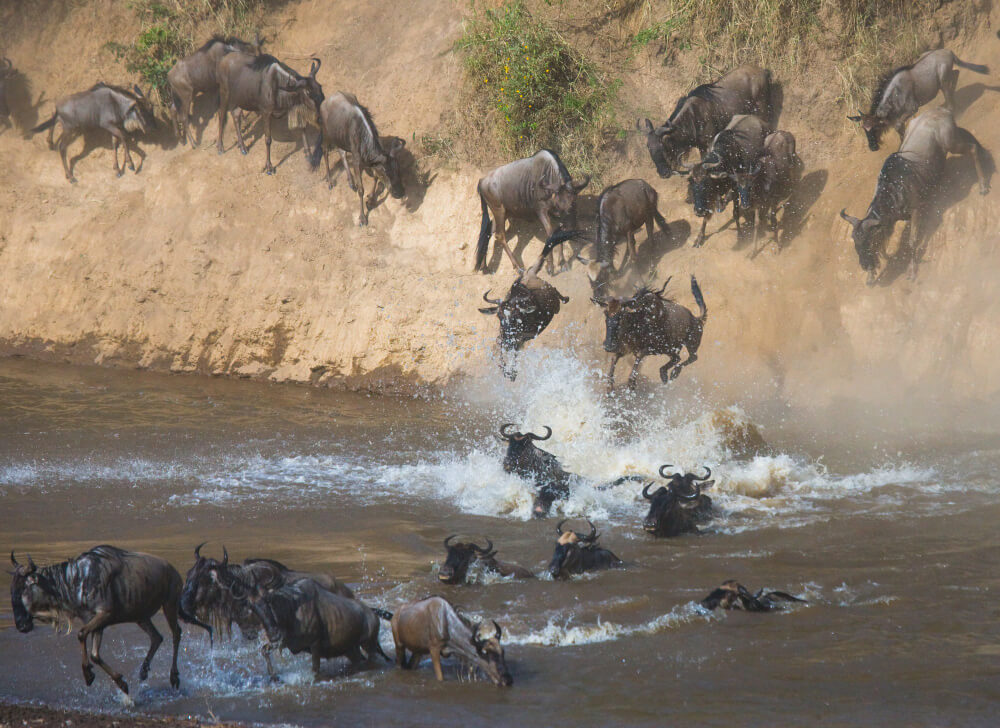
7 Days Masai Mara & Serengeti Wildebeest Migration Safari
This 7-day Kenya & Tanzania journey follows a practical route built around masai mara wildlife, cross-border kenya to…
 12 Days / 11 Nights
Gorilla Safaris
12 Days / 11 Nights
Gorilla Safaris
12 Days Uganda to Rwanda Safari
This 12-day Uganda & Rwanda journey follows a practical route built around ziwa rhinos, murchison falls wildlife and…
 7 Days / 6 Nights
Gorilla Safaris
7 Days / 6 Nights
Gorilla Safaris
7 Days Virunga Peaks Hiking and Gorilla Trekking Tour
This 7-day Uganda & Rwanda journey follows a practical route built around volcanoes gorilla trekking, ellen degeneres gorilla…
 6 Days / 5 Nights
Gorilla Safaris
6 Days / 5 Nights
Gorilla Safaris
6 Days Rwanda & Uganda Big 5 and Gorilla Safari
This 6-day Uganda & Rwanda journey follows a practical route built around kigali city, akagera wildlife, lake ihema…