
Kigali Safari Hotels and Accommodation Guide
Use this Kigali accommodation guide to choose a convenient base for airport transfers, city visits and onward safaris, with advice on neighbourhood, traffic, breakfast timing, room comfort and length of stay. It…
Include This Stay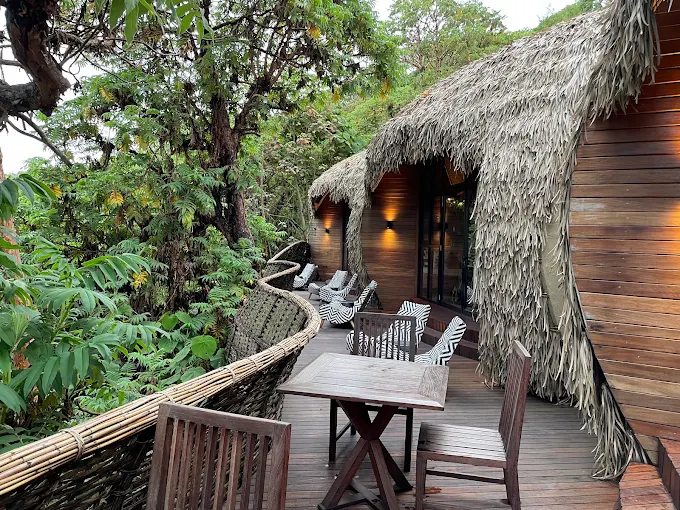
Kigali safari hotels guide should be chosen around the safari you actually plan to do, not simply by comparing room photographs. Kigali is a hilly capital where airport distance, traffic patterns and the location of planned city visits can matter more than choosing the most central-looking point on a map. The main accommodation styles include international hotels, boutique properties, guesthouses and smaller business-style hotels across several residential and commercial districts.
This guide looks at location, access, room comfort, meals, suitable length of stay and how the accommodation fits into a wider East African journey.
Understanding the accommodation area
Safari accommodation works best when it supports the purpose of the trip: getting you to the right place at the right time with enough comfort to recover between activities. Travellers arriving late or leaving early should prioritise airport access. Those spending a full day in Kigali may prefer a location closer to museums, restaurants or their planned city route. Before choosing a property, read our guide to Kigali so the accommodation decision reflects the destination itself. Look at the first activity of each morning and the final activity of the previous afternoon. Those two points often reveal whether a lodge is genuinely convenient. A cheaper stay can become poor value if it adds long transfers every day, while a very luxurious property may still be the wrong choice if it sits far from your permits or game-viewing area.
Choosing between different stay styles
Around Kigali, travellers commonly find international hotels, boutique properties, guesthouses and smaller business-style hotels across several residential and commercial districts. The best category depends on how you travel. Some guests want a quiet, intimate property with a small number of rooms; others prefer a larger lodge with a pool, wider menus and more predictable services. A tented camp should not automatically be read as basic.
In East Africa, permanent safari tents can have private bathrooms, proper beds and excellent service, while a conventional hotel can be much simpler. Read the facilities carefully and focus on what you will actually use. When comparing Kigali safari hotels guide, keep the daily programme in mind rather than choosing by category alone.
Roads, gates and activity access
Travellers arriving late or leaving early should prioritise airport access. Those spending a full day in Kigali may prefer a location closer to museums, restaurants or their planned city route. Ask where the next morning actually begins. A property advertised as being “near” a park may still sit on the wrong side of a gate, ridge, lake or town for your planned activity.
Ask about the final road into the property, especially in wet months, and whether transfers use the same vehicle as your safari. If light aircraft are involved, confirm the nearest airstrip and how long the road transfer takes after landing. Border crossings and city traffic should also be considered when the stay sits between two countries or major transport hubs.
How long should you stay?
One night is enough for a simple arrival or departure, while two nights suit travellers who want a proper city day before beginning a safari. The number of nights should reflect the experience rather than a standard rule. One-night stops can be efficient on road routes, but repeated one-night stays mean more packing and less time to use the property.
For trekking, hiking or long game-drive days, a second night often improves comfort because you can return to the same room instead of immediately repacking. Families and older travellers may also prefer a slower rhythm. This is especially relevant when choosing Kigali safari hotels guide as part of a multi-stop itinerary.
Comfort that matters on safari
Air conditioning is not always essential in Kigali’s mild climate, but quiet rooms, reliable Wi-Fi, secure luggage storage and efficient check-in are useful between flights and safaris. If you are a light sleeper, ask about generator hours, nearby roads and how close rooms are to common areas. Remote settings can be quiet, but wildlife and camp operations also create normal night sounds.
Ask whether rooms have private bathrooms, how hot water is provided, whether electricity runs all night and if mosquito nets or screened windows are standard. At high altitude, warmth can matter; in hotter parks, airflow and shade become more important. These practical details have a direct effect on sleep and recovery.
Meal plans and flexible schedules
Breakfast timing should match early departures to Akagera or Volcanoes. Kigali also has the widest independent restaurant choice on most Rwanda itineraries. Safari schedules rarely follow ordinary hotel hours, so flexibility is useful. A dawn game drive may need tea before sunrise and breakfast afterwards; a trek may require an early meal and packed lunch. If you have allergies, vegetarian preferences or other dietary needs, share them before the trip.
Most established safari properties can plan well with notice, but remote kitchens cannot always source specialist items at short notice. Drinking water arrangements should also be clear, including whether refill stations are available.
Who should consider this base
This area generally suits all Rwanda safari travellers, business-and-leisure visitors, families and guests beginning or ending cross-border Uganda journeys. The most useful accommodation choice will differ between them. Photographers may care about early vehicle access and charging, while families often need room configuration and flexible meal times. Honeymoon travellers may place more value on privacy and a slower pace.
Anyone with mobility concerns should ask about steps, slopes, distances between rooms and reception, and whether vehicles can reach close to the room. Safari properties are often built around natural terrain rather than level hotel corridors.
Where to travel next
Nearby options include Volcanoes National Park, Akagera National Park and the road towards Lake Kivu. The accommodation should help the route flow towards those places rather than create a backtrack. Travellers interested in city tours, cultural sites, museums, dining and preparing for onward travel to national parks can also read about 4 Days Rwanda Gorilla Trekking Tour when deciding where the stay belongs in the itinerary. Connecting destinations sensibly reduces fuel, road fatigue and very early departures. It can also create more time for unplanned wildlife sightings or a relaxed meal instead of treating every transfer as a race.
Practical checks before booking
Before paying a deposit, confirm the exact room category, board basis, taxes or compulsory charges, child policy where relevant, cancellation terms and transfer arrangements. Ask what happens if an activity starts before breakfast or returns after the usual meal time. It is also useful to know whether drinking water, laundry, Wi-Fi, charging, porter help and guided walks are included or charged separately. Do not assume a star label means the same standard in every country.
Clear written inclusions are more useful than broad labels such as luxury or mid-range. For Kigali safari hotels guide, location and service flexibility should remain part of that comparison.
Another practical point
For a stay around Kigali, water and electricity systems differ between city hotels and remote camps. Solar power, generators and boreholes are common in safari areas. This does not automatically reduce comfort, but it can affect hairdryers, charging schedules or the amount of hot water available at one time.
A sensible way to plan the stay
A good stay should make the safari easier. Where properties are close to wildlife habitat, guests should follow night-walking rules, avoid feeding animals and let staff manage encounters around rooms or dining areas. Curated Wild Safaris can match accommodation to permit location, road direction, activity timing and the level of comfort you want rather than treating the hotel as an isolated booking.
Availability changes through the year, so a suitable alternative may sometimes be better than forcing a particular property into the route. When Kigali safari hotels guide are selected with the full itinerary in mind, the result is usually less driving, better rest and more useful time in Rwanda.