
First-Time East Africa Safari Planning Guide
A practical guide to first-time east africa safari planning guide, covering timing, route planning, transport, accommodation and realistic expectations. Use it to understand the main decisions before booking and to build a personalised East…
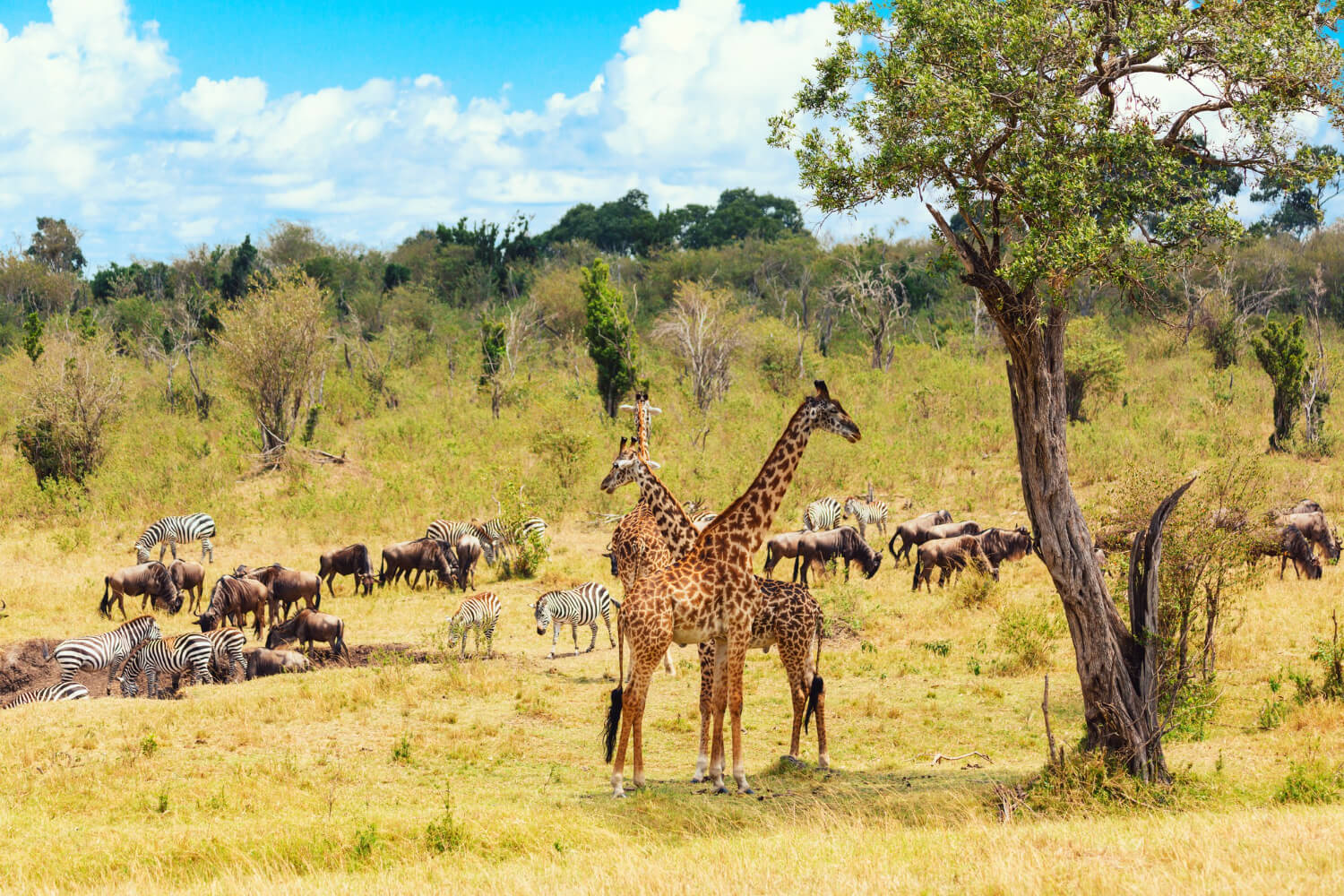
First east africa safari is easier to understand when you look beyond a simple checklist. A good safari decision begins with realistic expectations, and first-time east africa safari planning guide is no exception. A first safari becomes easier to plan when you decide what matters most before choosing a route. The aim here is to help you understand helping a first-time visitor choose countries, experiences, trip length, accommodation style and a realistic daily pace, so you can choose a route that feels manageable rather than crowded with too many stops.
First east africa safari: the practical starting point
Some travellers prioritise gorillas and chimpanzees, while others want open savannah, migration areas or a beach finish. Trying to fit too many countries into a short holiday usually creates more transit time and less meaningful time in each destination. The useful question is not only where to go, but how the experience fits the rest of your route, your available days and your preferred travel pace.
For most travellers, first East Africa safari works best when the main activity is given enough time rather than treated as a quick stop. That means allowing for briefings, transfers, weather changes and the possibility that a day develops differently from the original plan. A safari specialist can then adjust the sequence without weakening the experiences that matter most.
Start with the experience you want most
Travellers often begin with a list of places, but it is usually more useful to begin with a list of experiences. A park name alone does not tell you whether you will spend the day on a game drive, walking, boating, trekking or resting at the lodge. When you know the type of day you enjoy, the route becomes more personal. A first safari becomes easier to plan when you decide what matters most before choosing a route.
This also helps prevent two neighbouring days from feeling too similar. The best choice supports your priorities without creating unnecessary pressure on the schedule.
How timing changes the experience
Season matters, but not in a simple good-month or bad-month way. Rain can affect roads, trail conditions and photography, yet greener periods can also bring fresh landscapes, dramatic skies and fewer vehicles in some areas. Drier periods may make certain wildlife concentrations easier to follow, but popular areas can feel busier. The right timing should therefore consider your main activity, tolerance for heat or rain, preferred scenery and how fixed your travel dates are. A first safari becomes easier to plan when you decide what matters most before choosing a route. The best choice supports your priorities without creating unnecessary pressure on the schedule. For a related planning reference, see Queen Elizabeth National Park, which fits naturally with this part of the journey.
Building a route that actually works
The map matters as much as the wish list. Two places can look close on a screen and still require a long drive because of road conditions, park gates or mountain terrain. A carefully sequenced route protects the hours you came to spend outdoors. Some travellers prioritise gorillas and chimpanzees, while others want open savannah, migration areas or a beach finish. If the journey is becoming a chain of one-night stays, remove a stop before adding another.
The best choice supports your priorities without creating unnecessary pressure on the schedule.
Keep transfer days realistic
A useful planning check is to read the programme from morning to evening and imagine how the day will actually feel. Ask where breakfast happens, how long the transfer takes, when the activity begins and whether there is time to settle into the lodge before dinner. That simple exercise often reveals unrealistic assumptions early. It also helps you decide where an extra night adds real value and where a shorter stay is enough.
When conditions change, a little breathing room gives the guide more options and keeps the journey enjoyable rather than rushed.
Transport and travel days
Safari travel is rarely measured accurately by distance alone. Roads inside parks are slower, mountain routes can be winding, and border crossings introduce extra steps. For some itineraries, flying one long sector can protect two valuable days; for others, road travel is part of the experience. Ask for realistic door-to-door estimates rather than the fastest possible driving time.
That gives you a better sense of when you will actually reach the lodge and how much energy remains for an afternoon activity. The best choice supports your priorities without creating unnecessary pressure on the schedule.
Where you stay affects the whole day
Accommodation should support the itinerary rather than distract from it. A beautiful lodge in the wrong location can add hours of driving every day, while a simpler property near the activity may give you more time in the field. Consider distance to the park gate, road access, meal arrangements, room layout and whether you need family rooms, twin beds or a quieter setting.
On active trips, reliable hot water, early breakfast arrangements and laundry options can matter more than decorative extras. The best choice supports your priorities without creating unnecessary pressure on the schedule.
Photography, weather and practical details
Pack for function first. Neutral, comfortable clothing, sun protection, insect repellent where appropriate, a light rain layer, reusable water capacity and a small day bag cover most safari days. For photography, carry equipment you can manage without delaying the group or putting it at risk in dust and rain. Weather can shift quickly between lowland savannah and highland forest, so layers are useful. Keep essential medicines and important documents in hand luggage when flying into the region. The best choice supports your priorities without creating unnecessary pressure on the schedule. For a related planning reference, see Masai Mara National Reserve, which fits naturally with this part of the journey.
Common planning mistakes to avoid
One common mistake is trying to maximise the number of places rather than the quality of time in each one. Another is assuming every famous activity can be added at short notice. Permits, rooms, regional flights and specialist guides may have limited availability, particularly during popular travel periods. It is also risky to plan around guaranteed sightings. Wildlife behaviour, rainfall and migration movement are variable.
Build the itinerary around habitats and experiences, then treat individual sightings as possibilities rather than promises. The best choice supports your priorities without creating unnecessary pressure on the schedule.
A sensible way to put the trip together
Before confirming, read the itinerary as a daily schedule rather than a list of attractions. Look at where you sleep, how long you travel, what time activities begin and when there is room to rest. Ask questions about anything that feels vague. A strong safari plan should make logistical sense and still leave room for discovery. That balance is more valuable than squeezing one more park or activity into the final day.
The best choice supports your priorities without creating unnecessary pressure on the schedule.
Final planning thoughts
First east africa safari should ultimately fit the way you like to travel. Use the itinerary as a framework, then adjust the number of nights, activity level and transport style until the journey feels realistic. The strongest safari plans are clear about priorities and flexible about the details that nature may change.
When you discuss first East Africa safari with your safari planner, share your non-negotiable experiences, preferred pace, room needs and any mobility or dietary considerations early. That information is more useful than simply asking for the busiest possible programme. A well-balanced route gives you time to notice the landscape, listen to your guide and enjoy the moments between the headline attractions.
How to keep the itinerary comfortable
Before confirming the booking, ask for a clear explanation of the daily schedule and any parts that depend on availability or weather. Confirm how travel pace is handled, what happens if an activity time changes and which services are included in each transfer. It is also sensible to check baggage limits, payment stages and cancellation terms before committing. These details may feel administrative, but they protect the quality of the trip because everyone begins with the same expectations.
A transparent itinerary should explain what is fixed, what is flexible and which decisions can still be adjusted later.