
Walking Safaris in East Africa: What to Expect
A practical guide to walking safaris in east africa: what to expect, covering timing, route planning, transport, accommodation and realistic expectations. Use it to understand the main decisions before booking and to build a…
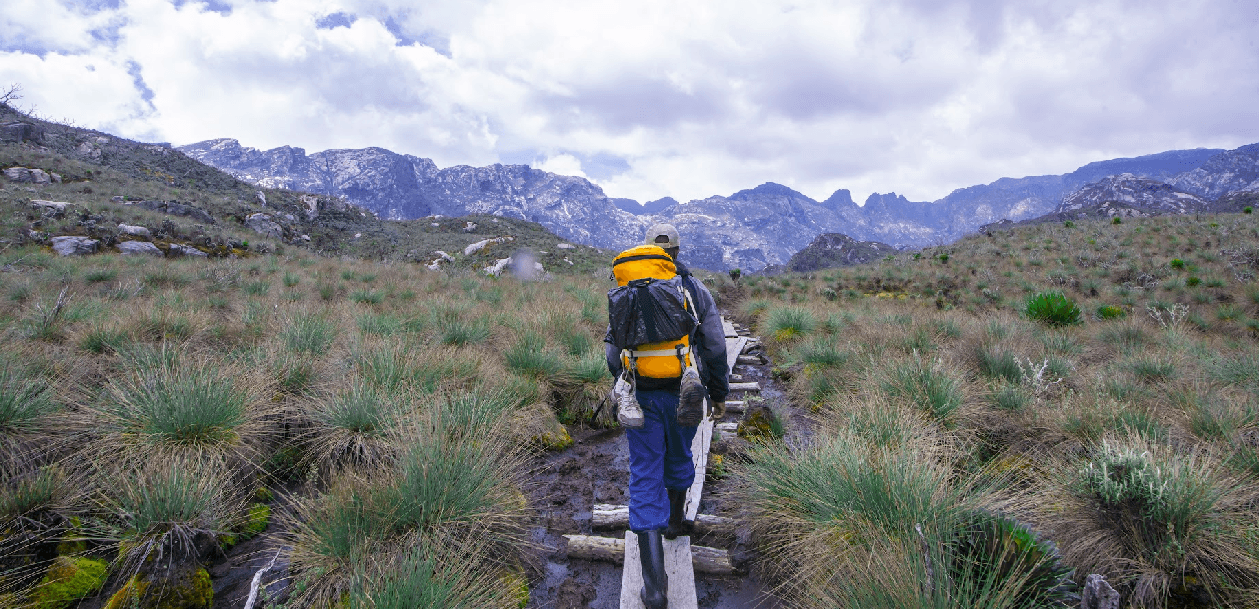
East africa walking safari is easier to understand when you look beyond a simple checklist. A good safari decision begins with realistic expectations, and walking safaris in east africa: what to expect is no exception. Walking safaris focus on tracks, plants, insects, birds and landscape as much as large animals. The aim here is to help you understand understanding the slower, more detailed perspective of walking in wildlife areas with a trained guide, so you can choose a route that feels manageable rather than crowded with too many stops.
East africa walking safari: the practical starting point
Routes and safety procedures depend on the area, wildlife conditions and the judgement of the professional guide. Comfortable closed footwear, neutral clothing and careful listening are more useful than trying to cover long distances. The useful question is not only where to go, but how the experience fits the rest of your route, your available days and your preferred travel pace.
For most travellers, East Africa walking safari works best when the main activity is given enough time rather than treated as a quick stop. That means allowing for briefings, transfers, weather changes and the possibility that a day develops differently from the original plan. A safari specialist can then adjust the sequence without weakening the experiences that matter most.
Start with the experience you want most
Start by deciding which experience would disappoint you most to miss. That may be gorillas, chimpanzees, a particular landscape, migration areas, birding, hiking or simply enough time to watch wildlife without rushing. Once that priority is clear, secondary stops become easier to judge. A route built around one or two strong priorities usually feels better than an itinerary built by collecting famous names.
It also gives your safari specialist a clearer brief, which helps with lodge choice, transfer planning and the order of activities. Comfortable closed footwear, neutral clothing and careful listening are more useful than trying to cover long distances. The best choice supports your priorities without creating unnecessary pressure on the schedule.
Choosing dates without chasing a perfect month
Do not choose dates from a single weather chart. East African conditions vary by altitude, region and year, and an itinerary can cross several climate zones in one week. It is better to ask what conditions influence the specific experiences on your route. Walking safaris focus on tracks, plants, insects, birds and landscape as much as large animals. If a particular event is seasonal, build some flexibility around it rather than assuming nature will follow an exact calendar. The best choice supports your priorities without creating unnecessary pressure on the schedule. For a related planning reference, see guided walking safari in Nyerere, which fits naturally with this part of the journey.
Building a route that actually works
A strong itinerary has a clear geographical logic. Consecutive destinations should connect without creating unnecessary backtracking, and active days should be balanced with easier ones. When a route includes several countries, border formalities or regional flights also become part of the design. One useful approach is to group similar experiences together only when the journey between them is short; otherwise, insert a contrasting stop that makes the transfer worthwhile.
Comfortable closed footwear, neutral clothing and careful listening are more useful than trying to cover long distances. The best choice supports your priorities without creating unnecessary pressure on the schedule.
Keep transfer days realistic
A useful planning check is to read the programme from morning to evening and imagine how the day will actually feel. Ask where breakfast happens, how long the transfer takes, when the activity begins and whether there is time to settle into the lodge before dinner. That simple exercise often reveals unrealistic assumptions early. It also helps you decide where an extra night adds real value and where a shorter stay is enough.
When conditions change, a little breathing room gives the guide more options and keeps the journey enjoyable rather than rushed.
Transport and travel days
Safari travel is rarely measured accurately by distance alone. Roads inside parks are slower, mountain routes can be winding, and border crossings introduce extra steps. For some itineraries, flying one long sector can protect two valuable days; for others, road travel is part of the experience. Ask for realistic door-to-door estimates rather than the fastest possible driving time.
That gives you a better sense of when you will actually reach the lodge and how much energy remains for an afternoon activity. The best choice supports your priorities without creating unnecessary pressure on the schedule.
Accommodation and daily comfort
Choose accommodation according to what happens the next morning. For an early trek or game drive, location can be more important than a long facilities list. For a rest day, the opposite may be true and you might value views, a pool, a spa or a peaceful lakeside setting. Mixing comfort levels is also possible. Many travellers prefer to spend more on the nights where location or privacy has the greatest effect and use straightforward lodges elsewhere.
The best choice supports your priorities without creating unnecessary pressure on the schedule.
Photography, weather and practical details
Pack for function first. Neutral, comfortable clothing, sun protection, insect repellent where appropriate, a light rain layer, reusable water capacity and a small day bag cover most safari days. For photography, carry equipment you can manage without delaying the group or putting it at risk in dust and rain. Weather can shift quickly between lowland savannah and highland forest, so layers are useful. Keep essential medicines and important documents in hand luggage when flying into the region. The best choice supports your priorities without creating unnecessary pressure on the schedule. For a related planning reference, see Nyerere National Park, which fits naturally with this part of the journey.
What often makes an itinerary feel rushed
Avoid judging an itinerary only by the number of inclusions. A programme can look impressive on paper yet feel tiring if every day starts before sunrise and ends after dark. Check how many nights are one-night stays, where the longest transfers fall and whether active days are back-to-back. Also confirm what is excluded, such as drinks, tips, optional activities or certain transfers, so the final trip does not create avoidable surprises.
The best choice supports your priorities without creating unnecessary pressure on the schedule.
A sensible way to put the trip together
A sensible plan is usually the one that leaves enough space to enjoy the places you have chosen. Share your priorities, preferred comfort level, approximate travel dates and the number of days available, then ask for a route that explains the trade-offs clearly. If adding one destination removes meaningful time from two others, it may not be worth it.
The final itinerary should feel coherent from arrival to departure and should still work if weather or wildlife requires small adjustments on the ground. The best choice supports your priorities without creating unnecessary pressure on the schedule.
Final planning thoughts
East africa walking safari should ultimately fit the way you like to travel. Use the itinerary as a framework, then adjust the number of nights, activity level and transport style until the journey feels realistic. The strongest safari plans are clear about priorities and flexible about the details that nature may change.
When you discuss East Africa walking safari with your safari planner, share your non-negotiable experiences, preferred pace, room needs and any mobility or dietary considerations early. That information is more useful than simply asking for the busiest possible programme. A well-balanced route gives you time to notice the landscape, listen to your guide and enjoy the moments between the headline attractions.
Questions worth asking before you confirm
Before confirming the booking, ask for a clear explanation of the daily schedule and any parts that depend on availability or weather. Confirm how suitable footwear is handled, what happens if an activity time changes and which services are included in each transfer. It is also sensible to check baggage limits, payment stages and cancellation terms before committing. These details may feel administrative, but they protect the quality of the trip because everyone begins with the same expectations.
A transparent itinerary should explain what is fixed, what is flexible and which decisions can still be adjusted later.